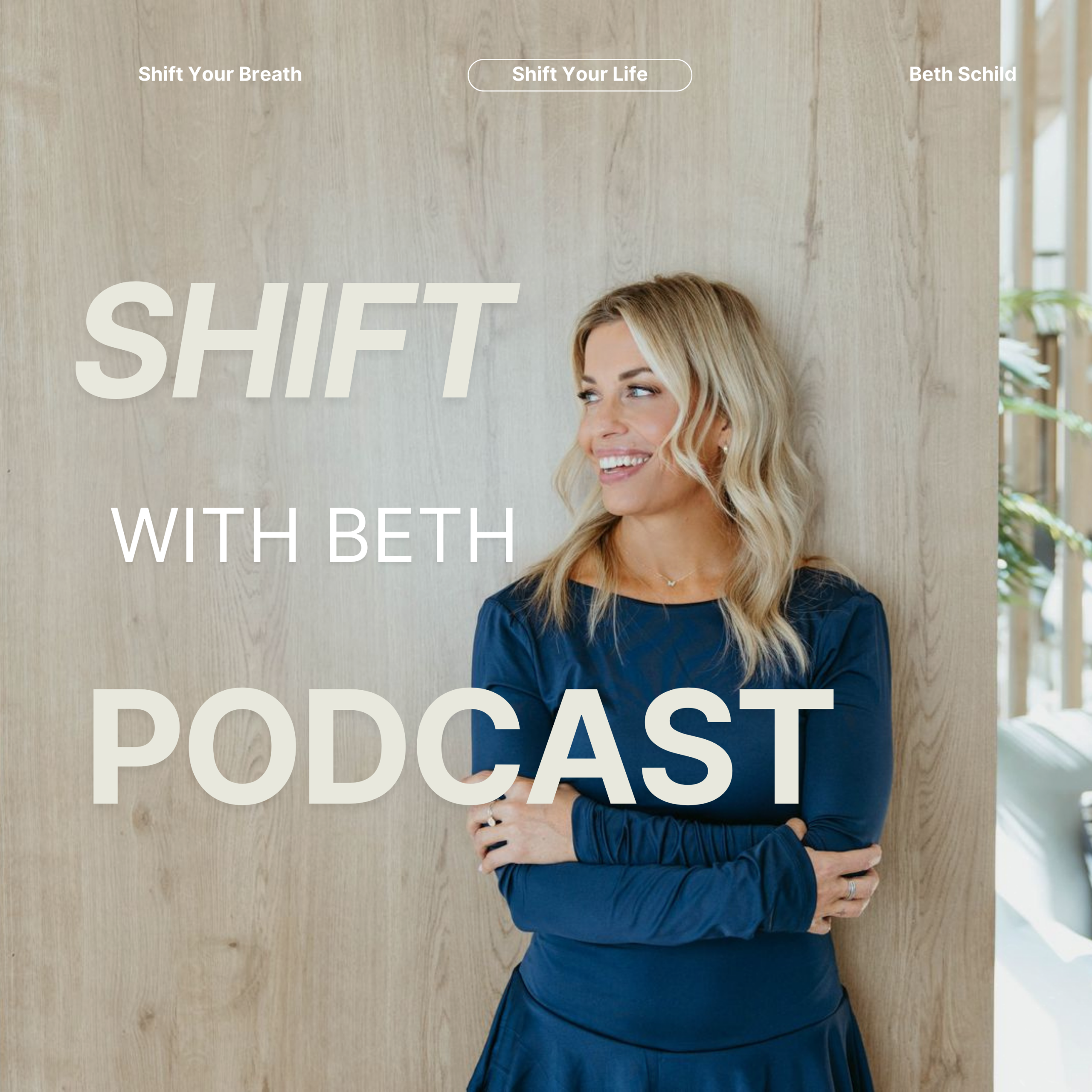
Hosted By

This is a 3-part series with my partner, Randy Brimhall.
Most people believe their reactions define them.
That if they’re anxious, reactive, or overly emotional, something must be wrong with them.
But what if your reactions aren’t random at all?
What if they were learned?
Long before you were aware of your behaviors, your nervous system was learning how to stay safe.
For many people, this meant becoming:
– The high achiever
– The “good” one
– The helper
– The one who doesn’t cause problems
These patterns don’t come from personality. They come from adaptation.
If love, approval, or safety felt conditional growing up, your nervous system learned how to respond in ways that increased your chances of receiving it.
Over time, those responses become automatic.
High achievement often looks like discipline, motivation, and success from the outside.
But underneath, it can be driven by something deeper.
The need to be enough.
When approval becomes tied to performance, achievement stops being a choice and starts becoming a requirement.
You’re not just doing well. You’re trying to secure love, validation, and belonging.
People-pleasing is often misunderstood.
It’s not about being “too nice” or lacking boundaries.
It’s a learned survival response.
If expressing your needs once led to rejection, conflict, or disappointment from others, your system adapts by prioritizing other people instead.
Not because you want to, but because it feels safer.
One of the biggest costs of these patterns is disconnection.
You learn how to be who others need you to be.
But you lose touch with who you actually are.
This can show up as:
– Not knowing what you want
– Feeling stuck or unfulfilled
– Constantly seeking external validation
– Difficulty making decisions
Because your identity was built around adaptation, not authenticity.
The moment you start seeing these patterns clearly, something shifts.
You stop labeling yourself as “too much” or “not enough.”
You begin to understand that your reactions were never the problem.
They were solutions.
Solutions that worked at one point, but may no longer serve you now.
And from that place, change becomes possible.
Not through force, but through awareness.
You don’t need to fix yourself.
You need to understand yourself.
Because when you understand where your patterns come from, you stop fighting them.
And that’s where real change begins.
Parenting changes dramatically as our children grow. What works when they're five years old often creates distance when they're fifteen. And by the time...
Understanding Self-Abandonment: Why We Choose Others Over Ourselves Have you ever found yourself saying “yes” to a commitment while your entire body was screaming...
There comes a point in healing where you realize the deepest pain was never only about the relationship itself. It was about how much...