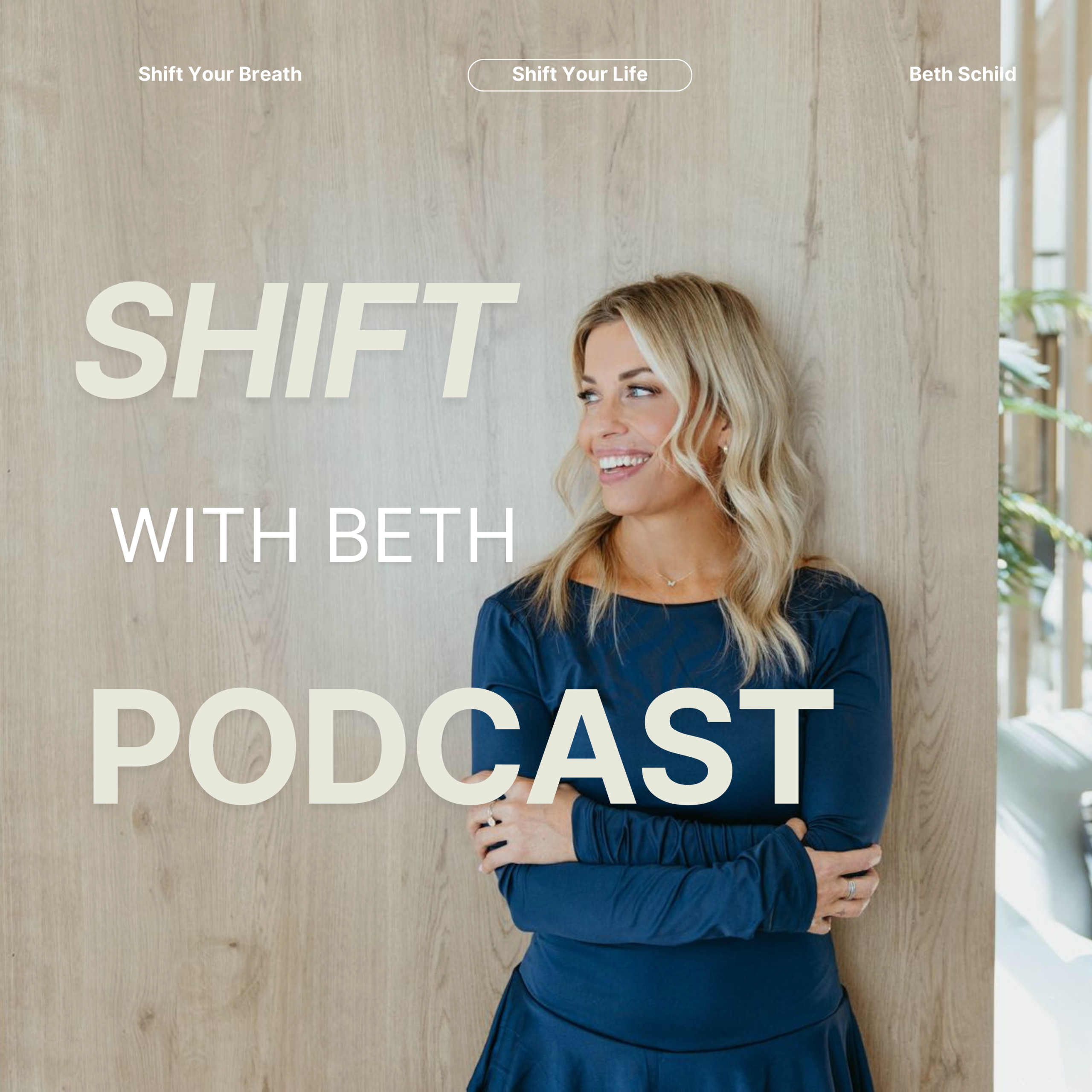
Hosted By

Have you ever found yourself saying “yes” to a commitment while your entire body was screaming “no”? Or perhaps you’ve become so good at sensing what other people need that you’ve completely lost touch with what you want.
In this episode of Shift with Beth, we are pulling back the curtain on a behavior that many of us mistake for “being nice” or “being easy-going”: Self-Abandonment.
Self-abandonment is the act of rejecting your own feelings, needs, or boundaries in order to maintain a connection with someone else. It often starts as a survival strategy in childhood or high-demand environments where “fitting in” was a requirement for safety.
Over time, this survival strategy becomes a default setting. We become high-capacity, low-maintenance individuals who are “successful” on the outside but feel increasingly hollow on the inside.
From a somatic perspective, people-pleasing is often a “fawn” response. When our nervous system senses a threat—like potential conflict or disapproval—it tries to appease the threat to stay safe.
Common “tells” that you are in a cycle of self-abandonment include:
Healing from self-abandonment isn’t about becoming “selfish”; it’s about becoming self-led. It’s the process of rebuilding the capacity to be honest with yourself and others, even when it causes “natural friction.”
“We’ve been taught that success requires at least some amount of self-abandonment. But true success—and true intimacy—can only happen when you are actually present in the room.” — Beth Schild
Subscribe: Follow on Apple Podcasts or Spotify to continue your journey.
Join the Community: Visit shiftwithbeth.com to access resources and coaching.
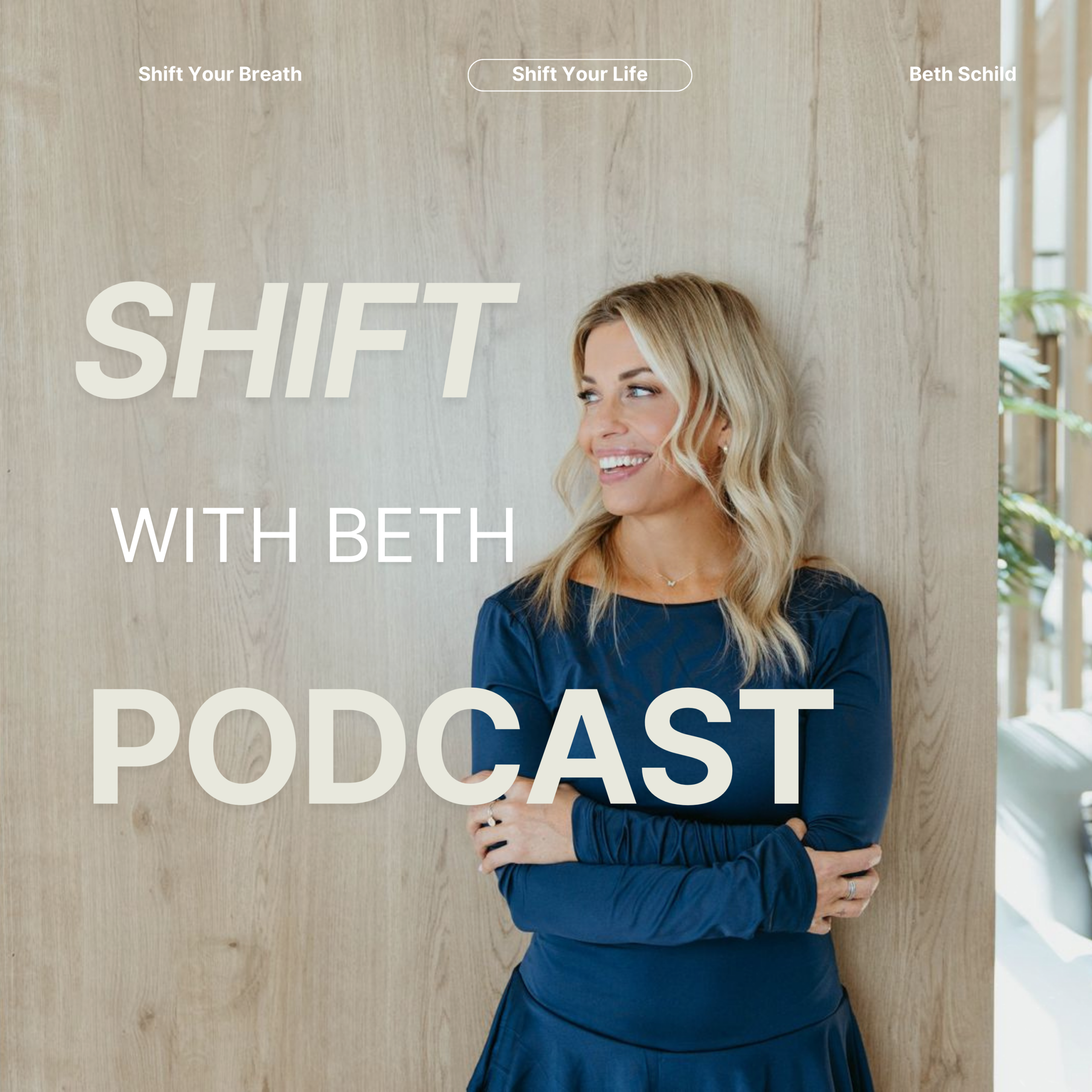
In this deeply personal episode, Beth sits down with Enneagram expert, speaker, coach, and host of The Enneagram Edge podcast, Tracy O'Malley, for a...
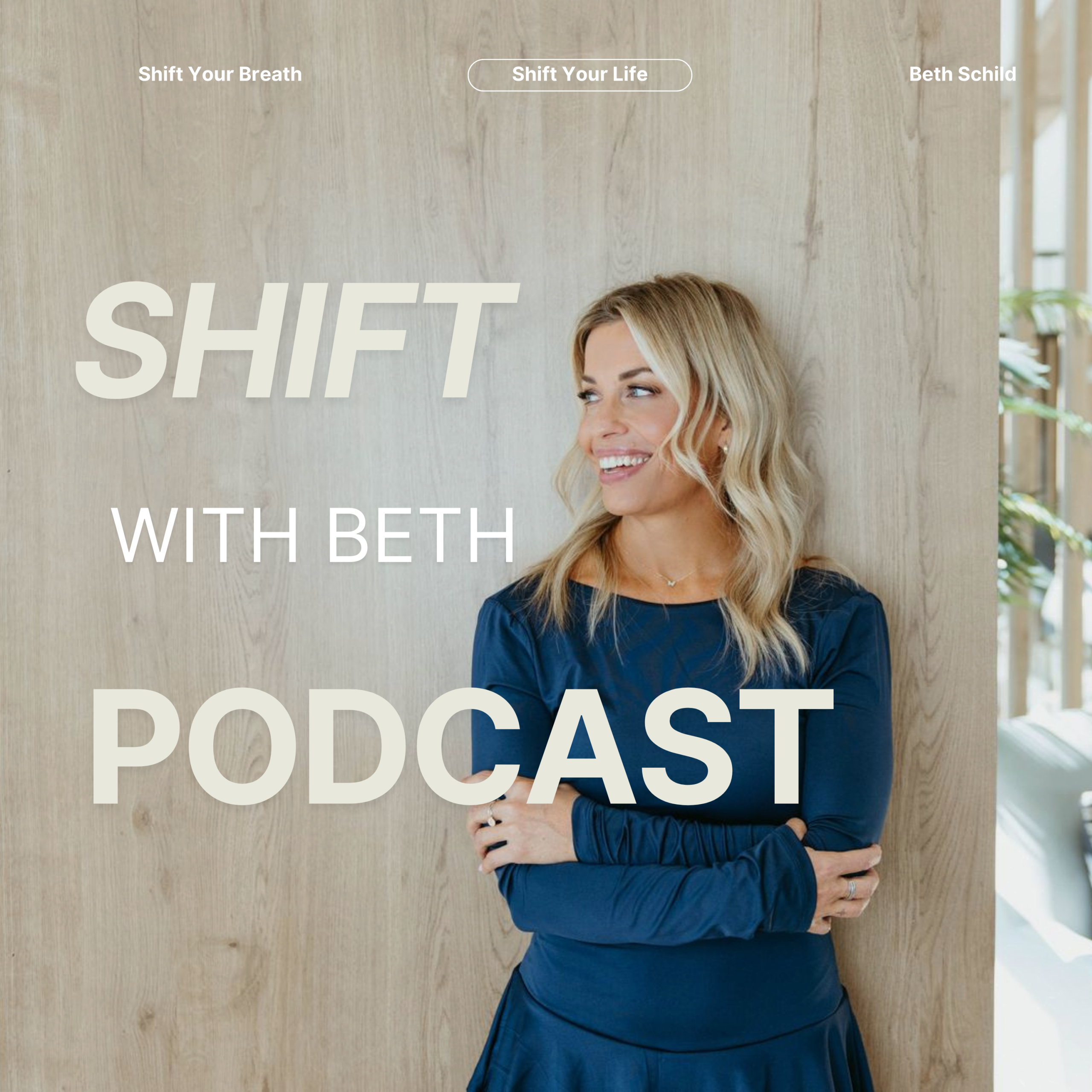
Most people think relationship triggers are a sign that something is wrong. In reality, triggers are often a sign that something unresolved inside us...
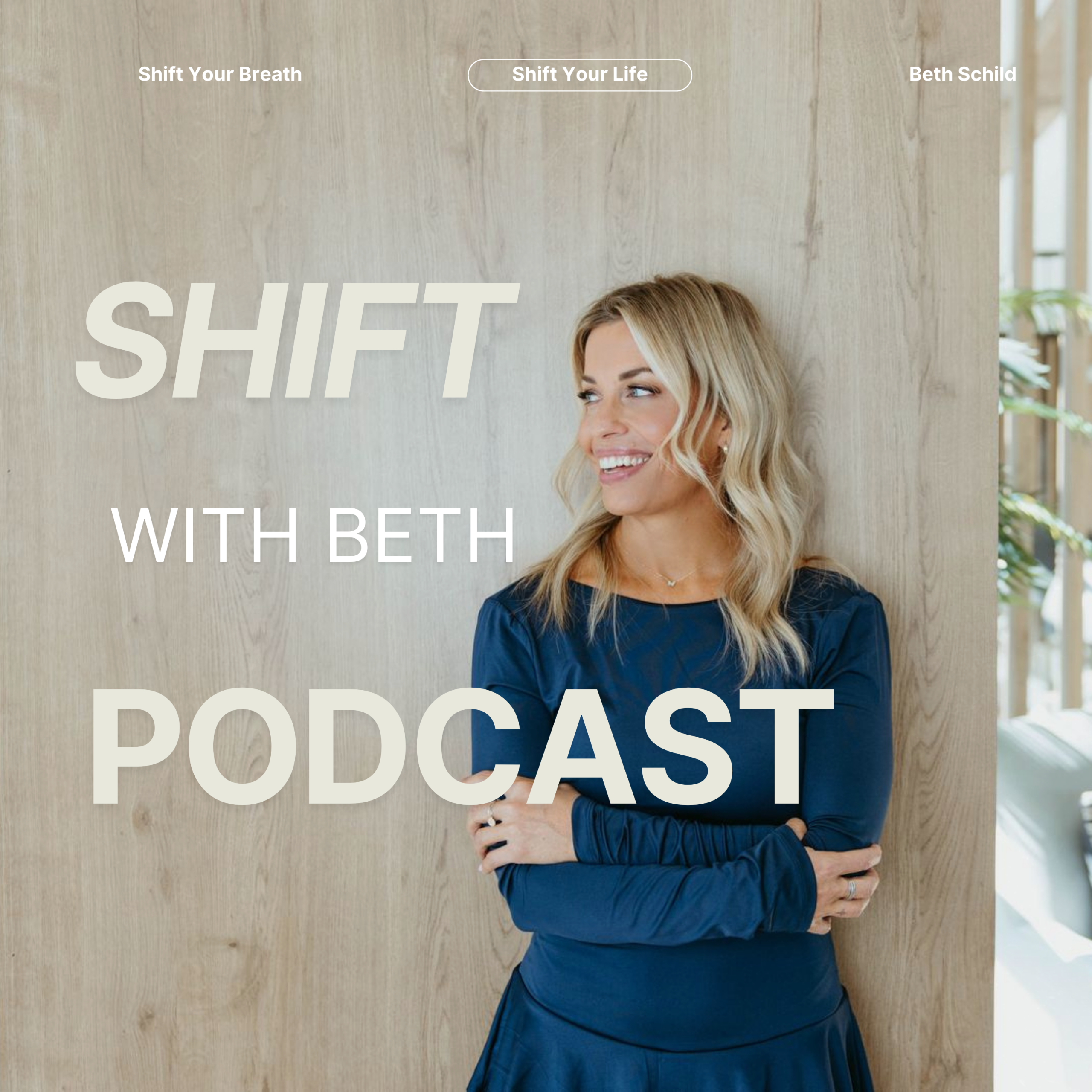
Parenting changes dramatically as our children grow. What works when they're five years old often creates distance when they're fifteen. And by the time...