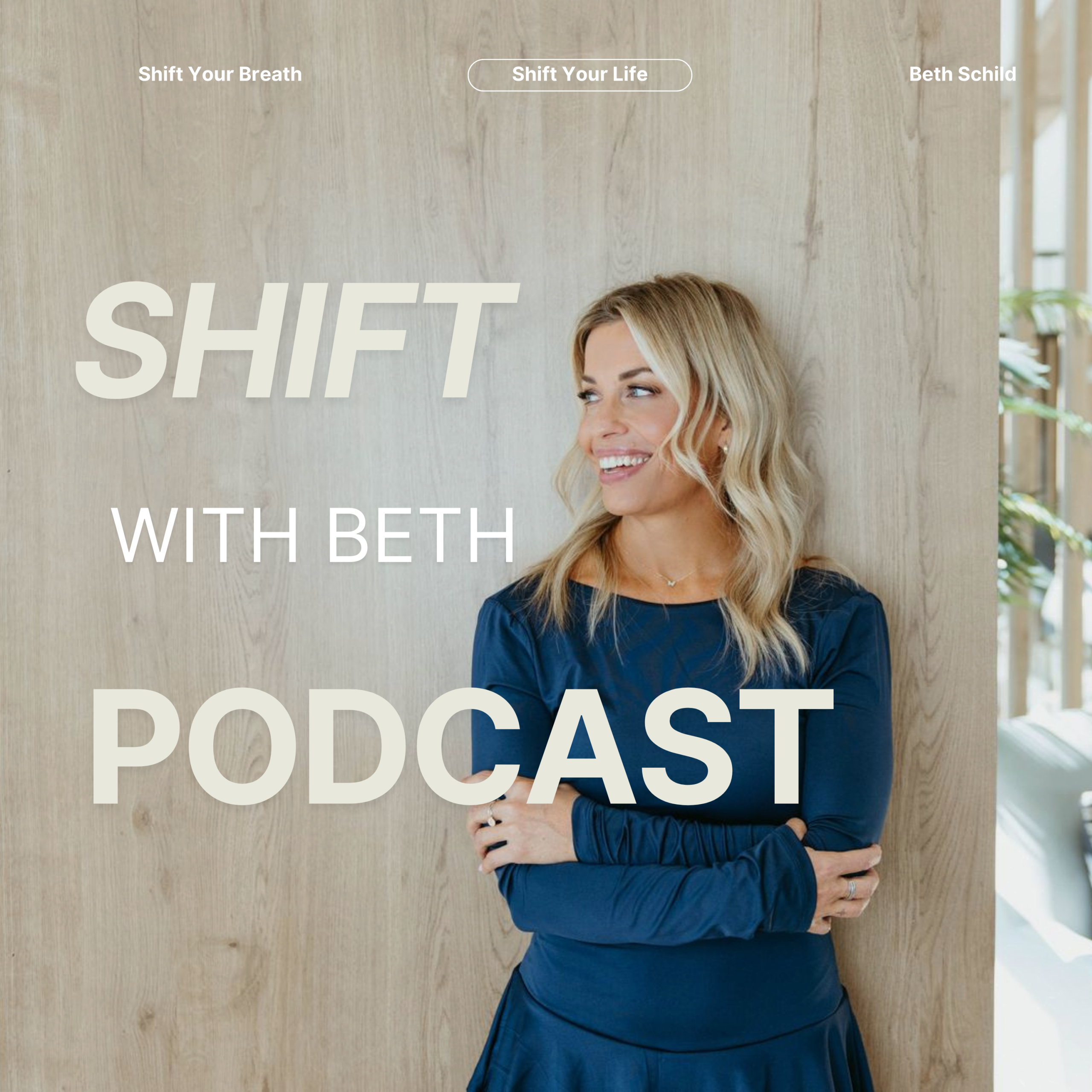
Hosted By

Most people think relationship triggers are a sign that something is wrong.
In reality, triggers are often a sign that something unresolved inside us is asking to be seen.
One of the biggest misconceptions about relationships is that if you've done enough healing work, you'll stop getting triggered. The truth is that relationships often reveal the deepest layers of healing because they bring us into close emotional connection with another person. When someone matters to us, old fears, wounds, and protective patterns can naturally surface.
A trigger happens when something occurring in the present moment activates an emotional experience from the past. While the current situation may seem small, the nervous system isn't reacting only to what's happening right now. It's responding to what the moment reminds us of.
This is why seemingly insignificant situations can create surprisingly intense emotional reactions.
A simple conversation, a misunderstood comment, a shift in tone, or a partner's behavior can activate feelings of rejection, abandonment, not being good enough, being unseen, or fear of being replaced.
The trigger itself isn't the problem.
The trigger is information.
Most people assume they're reacting to what their partner just said or did.
But often the reaction is connected to something much older.
Maybe a partner forgetting something reminds you of times you felt unimportant.
Maybe a disagreement activates childhood experiences of not being heard.
Maybe someone setting a boundary triggers fears of rejection or abandonment.
The nervous system doesn't always distinguish between past and present. It simply recognizes familiar emotional patterns and responds accordingly.
This is why relationship triggers can feel so overwhelming even when we logically know we're safe.
When triggers happen, many couples immediately move into blame.
We assume our partner caused our emotional reaction.
We focus on what they did wrong.
We try to prove our point.
Unfortunately, this often creates more distance instead of more connection.
One of the most powerful shifts in relationship healing happens when we move from asking, "What did my partner do?" to asking, "What is this bringing up in me?"
This simple shift creates self-awareness and personal responsibility.
It doesn't mean unhealthy behavior should be ignored. It simply means we become curious about our internal experience instead of automatically projecting it outward.
Emotional safety is the foundation of healthy relationships.
When people feel emotionally safe, they can be vulnerable, honest, and authentic without fear of judgment or punishment.
Creating emotional safety doesn't mean agreeing with everything your partner says.
It means allowing space for their experience.
Sometimes the greatest gift we can offer someone isn't advice or solutions. It's simply presence.
When a partner feels triggered, immediately trying to fix the situation can accidentally invalidate their experience. Instead, emotional safety is often created by listening, validating, and remaining present while they process what they're feeling.
Many people assume taking space during conflict is unhealthy.
In reality, taking intentional space can be one of the healthiest things a couple does.
When the nervous system is highly activated, logical thinking becomes difficult. Conversations often become reactive, defensive, or emotionally charged.
Taking a pause allows the nervous system to regulate.
The key difference is communication.
Healthy space sounds like:
"I care about this conversation. I'm feeling activated right now, and I need some time to process. I'll come back and talk when I'm feeling more grounded."
This creates safety rather than abandonment.
When triggers arise, try this simple approach:
1. Acknowledge the trigger.
Notice what's happening without judgment.
Simply saying, "I'm feeling triggered right now," can create awareness and slow the reaction.
2. Name the emotion.
What are you actually feeling?
Fear?
Shame?
Rejection?
Disappointment?
Sadness?
Identifying the emotion helps create clarity.
3. Ask what you need.
Do you need space?
Support?
Reassurance?
A conversation?
Movement?
Rest?
The more clearly we understand our needs, the easier they become to communicate.
One of the most beautiful truths about relationships is that they often provide opportunities to heal old wounds.
The goal isn't to eliminate triggers.
The goal is to understand them.
Every trigger contains valuable information about what still needs compassion, attention, and healing.
When approached with curiosity instead of judgment, triggers become doorways to deeper self-awareness.
And when partners create emotional safety for each other during those moments, trust grows.
Connection deepens.
Intimacy expands.
Healing becomes possible.
The strongest relationships aren't the ones without triggers.
They're the ones where both people are willing to slow down, stay curious, communicate honestly, and create safety for each other.
Because underneath every trigger is often a younger part of us asking for something it didn't receive before.
And sometimes, through awareness, compassion, and connection, we finally get the opportunity to give it exactly what it needed.
The goal isn't to avoid triggers.
The goal is to understand what they're trying to show you.
When approached with awareness, compassion, and vulnerability, triggers become opportunities for healing, deeper self-trust, and stronger relationships.
Beth is a somatic coach, breathwork facilitator, and speaker who helps women and leaders move from survival mode into safety, self-trust, and authentic expression. She bridges nervous system science and spirituality in a grounded, practical way so healing happens beyond mindset.
If this episode resonated, follow and subscribe so you don’t miss what’s next. Share it with someone who struggles with boundaries or people-pleasing.
Learn more at shiftwithbeth.com
This is a 3-part series with my partner, Randy Brimhall. Most people believe their reactions define them. That if they’re anxious, reactive, or overly...
Most people misunderstand boundaries. They think boundaries are about telling other people what they can or cannot do. They think it sounds like control,...
The word triggered gets used all the time, but most people do not actually understand what it means. They just know it feels uncomfortable,...